


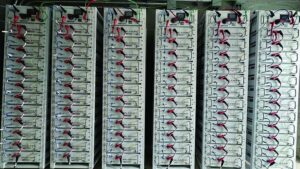

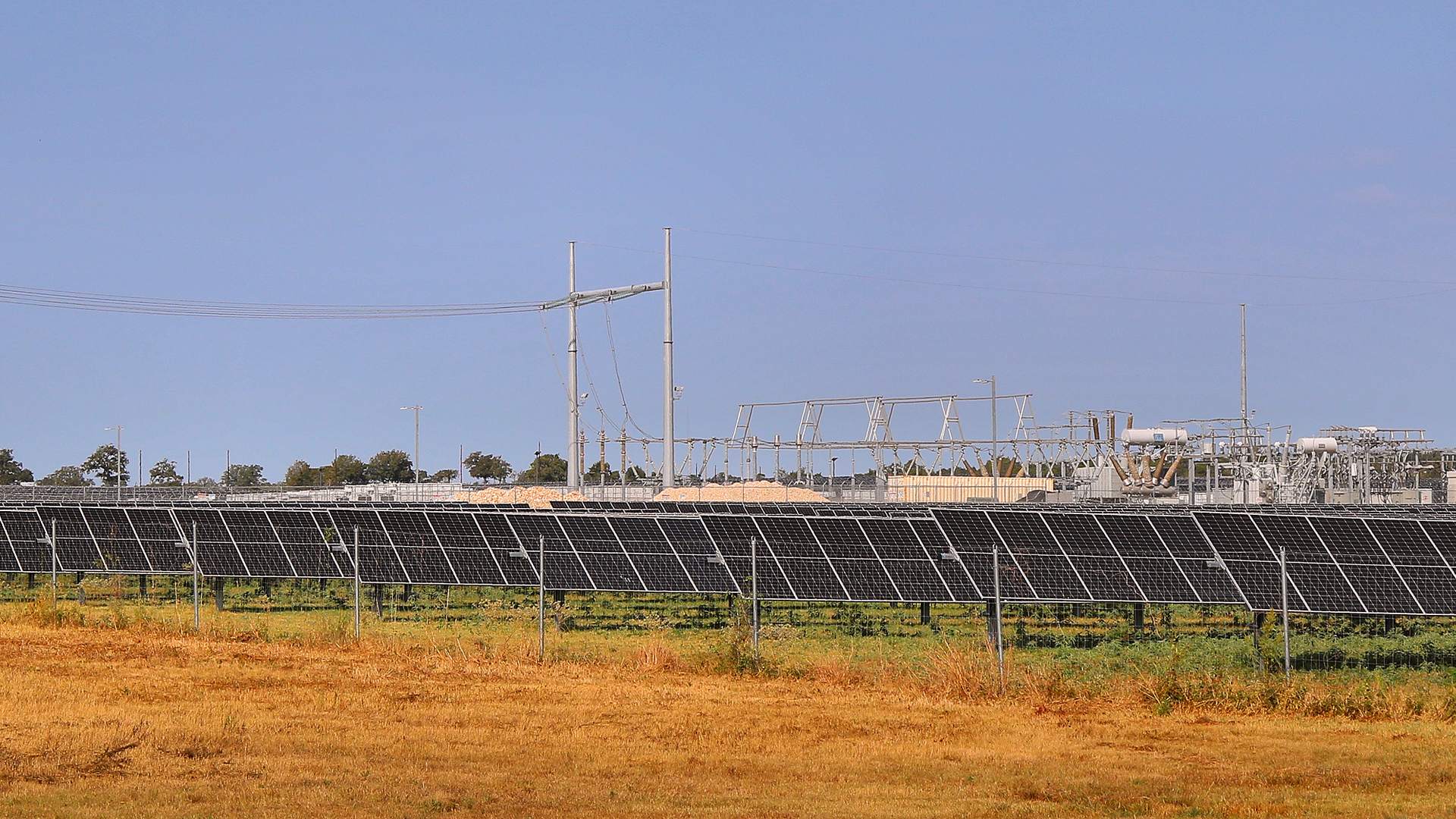
A BESS certification gap is the fastest way to watch a containerized BESS sit in a port for weeks. Before any buyer signs, the real question is not only how much energy the unit stores but which standards the battery energy storage system actually carries. This guide walks through the seven certifications and grid-code rules that decide whether a containerized BESS clears customs, gets permitted and connects to the grid in 2026.
Get Your BESS Certification Pack Reviewed Before You Import
Send your target market, model number and the certificate list you already hold. We return a line-by-line gap check against UL 9540A, IEC 62619, UN38.3 and the local grid code within 48 hours.
UL 9540A report check
IEC 62619 compliance
UN38.3 shipping docs
Containerized BESS quote
What Does BESS Certification Actually Cover?
Certification for a battery energy storage system is never a single stamp. It splits into three layers: product safety at the cell and module level, system safety for the enclosure, battery management system and power conversion system, and grid compliance for how the unit behaves when it connects. A buyer who checks only one layer still ends up with a non-compliant asset. In North America, UL 9540 covers the complete stationary energy storage system while UL 1973 covers the batteries inside it. In the European Union the same split is handled by IEC 62619 for the cells and IEC 62933 for the grid-integrated system, plus the CE mark. Knowing which layer a supplier is quoting prevents the classic mismatch where the cells are certified but the assembled cabinet is not.
Most buyers first meet certification through the product listing, but the listing only covers the factory-built assembly. Field modifications, added cooling or a different power conversion system can void it. The grid-compliance layer is tested separately because a safe battery that cannot ride through a voltage disturbance is still a liability to the network. Treat the three layers as a chain, because the weakest one defines the real status of the asset.
Which Safety Standards Apply to a Battery Energy Storage System?
For an LFP battery built for stationary use, the baseline safety references are UL 1973 and UL 9540 in North America, with UL 9540A as the thermal-runaway test method that feeds fire permitting. NFPA 855 is the installation code that sets spacing, fire detection and ventilation based on the stored energy. In Europe, IEC 62619 is the reference for industrial lithium cells, often paired with IEC 63056 for large-format cell safety. A containerized BESS bound for the United States should carry UL 9540 plus UL 9540A test data; the same enclosure bound for Europe needs IEC 62619 and a valid CE declaration. These references are not interchangeable, and a certificate from one region does not satisfy an inspector in another.
Lithium iron phosphate chemistry is forgiving on thermal runaway compared with older chemistries, but it is not exempt from the codes. The LFP battery still needs the same listing and the same installation evidence, and the lower risk is reflected in spacing rather than in skipping the document. Do not let a supplier trade a chemistry claim for a missing certificate.
How Do Grid-Code Rules Change by Country?
Grid-code compliance follows the point of interconnection, not the product. In the United States, distribution-connected systems use IEEE 1547-2018 with UL 1741 SB certified inverters, while transmission-connected resources increasingly fall under IEEE 2800. The United Kingdom uses the G99 application, Australia uses AS/NZS 4777.2 and most of the EU uses EN 50549 with national annexes. India’s Central Electricity Authority has issued technical standards that most utility-scale BESS and commercial and industrial ESS must meet. Eurelectric tracks how these national rules slowly converge, but the practical step is identical everywhere: name the target grid code in the specification and ask for the type-test report. A buyer in Germany and a buyer in Texas are clearing two different rulebooks.
A subtle point that trips first-time buyers is that the container may be certified, but the interconnection application is judged on the complete plant, including the transformer and the protection settings. The grid code therefore reaches beyond the battery enclosure. Budget the engineering time for the interconnection study, because that study is where most utility-scale delays now sit, not in the hardware. A one-megawatt error in the study can stall a project for months.
What Is the Difference Between UL 9540A and NFPA 855?
UL 9540A is a test method that measures whether thermal runaway propagates from a single cell to the module, the unit and finally the installation. NFPA 855 is the installation standard that uses those results to set how far apart enclosures must sit, what fire detection is required and how much ventilation the room needs. One is a measurement; the other is a rule built on that measurement. A project needs the UL 9540A report to justify tighter spacing, and it needs NFPA 855 compliance to be permitted. Skipping either means either an over-built site that wastes floor space or a site that fails inspection. Ask the supplier for both documents, not just the product listing.
Some jurisdictions accept performance-based alternatives to the default spacing in NFPA 855 if the UL 9540A data supports them. That path can recover floor space, but it requires the report in hand before the design is frozen. Asking for the report early is what separates a smooth permit from a redesign.
Why Does UN38.3 Matter for Shipping a Containerized BESS?
UN38.3 is the transport test that lithium cells and batteries must pass before they move by air, sea or road. For a containerized BESS, the cells and modules are tested for altitude, thermal, vibration, shock, short circuit, impact and overcharge long before the unit is ever crated. Without a valid UN38.3 test summary, a carrier can refuse the container at the port and customs can hold it. This is the certification most often missing on first-time shipments, and it causes the longest delays. Build the UN38.3 test summary into the commercial invoice package from day one, because the cost of the test is small next to a week of demurrage.
The test summary is a document, not a physical mark, and it travels with the shipment paperwork rather than on the unit. Many delays come from the summary being filed late rather than from the cells failing. Put the UN38.3 summary on the pre-ship checklist next to the bill of lading, and confirm the serial range in the summary matches the crated units.
Which Documents Should a Buyer Request Before Import?
A compliant import package is more than a single certificate. At minimum, request the product safety listing, the thermal-runaway test report, the installation code evidence, the inverter grid-support certificate, the transport test summary and the declaration of conformity for the destination market. Pair each with the test lab name and the report date. BloombergNEF and other market trackers note that the LFP share of new stationary storage keeps rising precisely because buyers now demand this paper trail, and financiers will not release funds without it. FERC Order 841 in the United States and similar market rules elsewhere assume the asset is permitted and insured, which starts with these documents.
Keep the pack in a single folder with a cover sheet that maps each certificate to the model and the serial range it covers. Customs brokers move faster when the compliance story is one click away, and financiers auditing the asset later will ask for the same folder. The few hours spent organising it save weeks across the life of the project.
How Can You Verify a Supplier’s Compliance Claims?
Certificates are easy to screenshot; provenance is harder. Verify that the test lab is accredited, check the report number against the issuer database and confirm the model in the report matches the model on the invoice. Request the as-built single-line diagram and the battery management system trip settings, because grid-forming behaviour under IEEE 2800 is judged on the actual configuration rather than the brochure. PJM and other grid operators publish interconnection queues where permitted projects appear, which is a useful cross-check for utility-scale claims. If a supplier cannot show the UL 9540A report or the UN38.3 summary on request, treat that as a stop signal rather than a negotiation point.
A red flag is a certificate that lists a model family but not the exact variant you are buying. Variants differ in cell format, enclosure and management system, and a family certificate does not cover every member. Match the report to the nameplate, not to the brochure headline, before the deposit leaves your account.
Confirm These Six Points Before You Place the Order
BESS certification checklist for importers
- The UL 9540 or IEC 62619 listing matches the exact model on the invoice.
- The UL 9540A thermal-runaway report is dated and issued by an accredited lab.
- The destination grid code is named in the specification (IEEE 1547, G99, AS/NZS 4777.2, EN 50549 or CEA).
- The UN38.3 test summary is included in the shipping documents.
- NFPA 855 or the local installation code evidence is provided for the site.
- A BESS certification pack is ready for a same-day review before the deposit is paid.
Certification Matrix by Market
| Market | Product safety | Thermal / installation | Grid code | Transport |
|---|---|---|---|---|
| United States | UL 9540 + UL 1973 | UL 9540A + NFPA 855 | IEEE 1547-2018, UL 1741 SB | UN38.3 |
| European Union | IEC 62619 + CE | IEC 63056 | EN 50549 + national annex | UN38.3 |
| United Kingdom | IEC 62619 + CE | IEC 63056 | G99 | UN38.3 |
| Australia | IEC 62619 | AS/NZS 5139 | AS/NZS 4777.2 | UN38.3 |
| India | IEC 62619 | CEA standards | CEA grid code | UN38.3 |
| South Africa | IEC 62619 | IEC 62477 + SANS 10142 | NRS 097-2-1 | UN38.3 |
Where Can You Verify Each Standard Yourself?
The fastest way to confirm a claim is to go to the source. The standards bodies publish the scopes and the accredited labs:
- UL and NFPA publish the scopes of UL 9540, UL 9540A, UL 1973 and NFPA 855.
- IEC publishes IEC 62619, IEC 62933 and IEC 63056 for cell and system safety.
- IEEE publishes IEEE 1547 and IEEE 2800 for grid interconnection.
- FERC publishes the interconnection and market rules that assume a permitted asset.
- NREL maintains technical references on stationary storage safety and testing.
Cross-check the report number against the issuer database before you pay the deposit, and keep a copy of every certificate in the project file for the life of the asset.
Do I need both UL 9540 and UL 9540A?
Yes. UL 9540 is the system listing needed for permitting, while UL 9540A is the test method that proves thermal runaway does not propagate and lets you defend tighter spacing under NFPA 855. One without the other leaves either the product or the site non-compliant.
Is CE marking enough to sell a BESS in Europe?
CE is necessary but not sufficient. The enclosure still needs IEC 62619 for the cells and must satisfy the national annex of EN 50549 at the connection point. Treat CE as the entry ticket, not the whole compliance story.
Can a UL-certified container be used in the EU without changes?
No. A UL 9540 listing does not satisfy IEC 62619 or the CE declaration, and the grid code differs. Plan for separate certifications per market and do not assume a mutual recognition that does not exist.
Who pays if the container fails customs for missing UN38.3?
The importer, by default, through demurrage and redelivery costs. UN38.3 is the shipper’s responsibility, but the buyer absorbs the delay, so confirm the test summary is in the documents before the vessel sails.
How long does a full certification pack take to assemble?
For an existing certified model the document pack is usually ready in days; for a new configuration allow the lead time of the test lab plus any retesting. Lock the model number first, then request the pack so the reports match what you actually receive.