

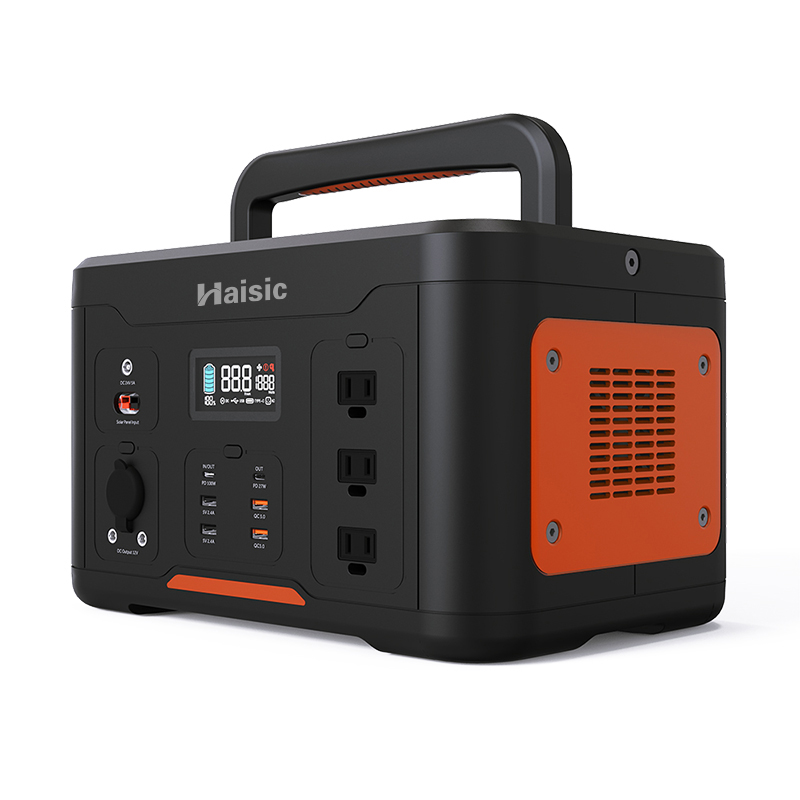
In the quest for sustainable energy solutions, solar power has emerged as a leading contender. However, the efficiency of a solar power station is not just about installing panels and hoping for the best. To truly harness the power of the sun, it’s essential to understand the factors that influence efficiency and implement strategies to optimize performance. Whether you’re a homeowner, business owner, or a solar energy enthusiast, this guide will provide you with actionable solar power station efficiency tips to improve solar power efficiency and ensure your system operates at its peak potential.
Need a storage supplier who answers with numbers?
We ship LiFePO4 storage batteries and BESS for utility-scale, C&I and residential
projects worldwide — with cell-level specs, cycle-life data and landed-cost
transparency on Solar Power Station Efficiency. Send us your capacity, duration and delivery window,
and we will reply with a real quotation, not a brochure.
Key Factors Affecting Solar Power Station Efficiency
Before diving into optimization techniques, it’s crucial to understand the primary factors that impact the efficiency of a solar power station. These include:
1. Solar Panel Quality
The quality of solar panels is a cornerstone of efficiency. High-efficiency panels convert more sunlight into electricity, reducing the number of panels needed and maximizing energy output. Look for panels with a high energy conversion efficiency rating, typically above 20%.
2. Sunlight Exposure and Angle
The amount of sunlight your panels receive directly affects their performance. Factors such as geographic location, time of year, and the angle of installation play a significant role. Panels should ideally face south (in the Northern Hemisphere) and be tilted at an angle equal to the latitude of the location for optimal exposure.
3. Energy Conversion Efficiency
Not all sunlight that hits the panels is converted into usable electricity. The energy conversion efficiency of the system, which includes the panels, inverters, and wiring, determines how much power is lost during the conversion process.
4. Temperature and Environmental Conditions
Solar panels operate less efficiently in high temperatures. Dust, dirt, and shading from trees or buildings can also significantly reduce their performance.
Tips to Optimize Solar Power Station Efficiency
Now that we’ve identified the key factors, let’s explore practical strategies to improve solar power efficiency.
1. Regular Panel Cleaning
Dust, dirt, and debris can block sunlight and reduce the efficiency of your solar panels. Regular cleaning, especially in dusty or polluted areas, can improve performance by up to 15%. Use water and a soft brush to avoid damaging the panels.
2. Optimal Panel Placement and Angle
Ensure your panels are installed at the correct angle and orientation to maximize sunlight exposure. Consider using solar tracking systems that adjust the angle of the panels throughout the day to follow the sun’s path.
3. Efficient Inverter Optimization
Inverters convert the direct current (DC) generated by solar panels into alternating current (AC) for use in your home or business. High-quality inverters with minimal energy loss are essential. Consider microinverters or power optimizers, which can improve efficiency by allowing each panel to operate independently.
4. Smart Energy Storage Solutions
Energy storage is critical for maximizing the use of solar power, especially during non-sunny hours. Investing in the best solar energy storage solutions, such as LiFePO4 batteries, can significantly enhance your system’s efficiency. These batteries offer high energy density, long cycle life, and excellent thermal stability, making them ideal for solar applications.
5. Implement Smart Monitoring Systems
Smart monitoring systems allow you to track the performance of your solar power station in real-time. These systems can alert you to issues such as shading, panel malfunctions, or drops in efficiency, enabling prompt maintenance and optimization.
Choosing Efficient Solar Components
Selecting the right components is vital for building an efficient solar power station. Here’s what to look for:
1. High-Quality Solar Panels
Opt for panels with a high efficiency rating and a proven track record of durability. Monocrystalline panels are generally more efficient than polycrystalline ones, though they may come at a higher cost.
2. Reliable Inverters
Choose inverters from reputable brands with high conversion efficiency. String inverters are cost-effective for smaller systems, while microinverters are better suited for systems with shading issues or complex layouts.
3. Advanced Energy Storage Solutions
When it comes to energy storage, LiFePO4 batteries stand out as one of the best solar energy storage solutions. Their superior performance, safety, and longevity make them an excellent choice for maximizing the efficiency of your solar power station. For instance, NEGUP New Energy offers cutting-edge LiFePO4 battery solutions designed to enhance energy storage and system performance.
The Role of LiFePO4 Batteries in Solar Power Efficiency
LiFePO4 (Lithium Iron Phosphate) batteries have revolutionized solar energy storage. Here’s why they are a game-changer:
- High Energy Density: LiFePO4 batteries store more energy in a smaller space, making them ideal for residential and commercial solar systems.
- Long Cycle Life: These batteries can endure thousands of charge-discharge cycles, ensuring long-term reliability.
- Thermal Stability: Unlike other lithium-ion batteries, LiFePO4 batteries are less prone to overheating, enhancing safety and performance.
- Eco-Friendly: They are non-toxic and recyclable, aligning with the sustainability goals of solar energy systems.
By integrating LiFePO4 batteries into your solar power station, you can significantly improve solar power efficiency and ensure a steady energy supply, even during cloudy days or nighttime.
Maintenance and Long-Term Optimization Strategies
To keep your solar power station running efficiently for years to come, follow these maintenance and optimization tips:
1. Regular Inspections
Schedule periodic inspections to check for wear and tear, loose connections, or damage to panels and wiring. Early detection of issues can prevent significant efficiency losses.
2. Shading Management
Trim trees and remove obstacles that may cast shadows on your panels. Even partial shading can drastically reduce energy output.
3. Upgrade Components
As technology advances, consider upgrading older components like inverters or batteries to newer, more efficient models.
4. Monitor Performance
Use smart monitoring systems to track energy production and identify trends or anomalies. This data can help you make informed decisions about system adjustments or upgrades.
5. Seasonal Adjustments
Adjust the angle of your panels seasonally to account for changes in the sun’s position. This simple step can boost energy production by up to 10%.
Conclusion:
To keep your solar power station running efficiently, it’s important to regularly maintain the system, use high-quality parts, and consider advanced battery solutions like LiFePO4. These steps can help you get the most energy from your setup and speed up your return on investment.
If you’re aiming to boost your solar power efficiency or find the best energy storage options, these practical tips can guide you. By adopting these strategies and using modern technologies such as LiFePO4 batteries, you can ensure your solar power station remains efficient and reliable over time. For more details on how NEGUP New Energy can assist with your solar energy needs, visit our website at or reach out to our team.
15% gain from cleaning
10% gain from tilt
Inverter sizing
Temperature loss
| Factor | Reported effect | Condition |
|---|---|---|
| Module efficiency | Higher output per m² | Only pays when area-constrained |
| Panel soiling | Up to +15% from cleaning | Dusty or polluted sites |
| Seasonal tilt adjustment | Up to +10% output | Fixed-tilt installations |
| Cell temperature | Meaningful loss as cells heat | Depends on mounting and ventilation |
| Inverter DC:AC ratio | Avoids midday clipping | Must be sized against load and tariff |
Upper bounds, not guarantees. The most important lever is your site constraint — tell us roof availability, orientation and altitude and we will quantify the real gain.
Solar Power Station Efficiency: Questions Buyers Ask Before Ordering
1. Higher efficiency panels cost more. When is the premium actually worth paying?
When you are area-constrained. The efficiency premium pays when roof or land space is the binding constraint, or where a specific tariff rewards output. On unlimited land with unlimited hours, higher efficiency buys you less than the same money spent on better balance-of-plant. Tell us your site constraint and we will tell you which side of that line you are on.
\n
2. Cleaning and re-tilting sound like small gains. Are they worth the maintenance cost?
The published figures are up to 15% from cleaning in dusty or polluted conditions and up to 10% from seasonal angle adjustment — but they are upper bounds that assume a specific starting condition. If panels lose 10% to soiling, cleaning recovers most of it; if they lose 1%, the same labour costs you money. Measure your string output before committing to a maintenance regime.
\n
3. How much do temperature losses really cut output?
Meaningfully, and it is a function of both site and technology. Panel output falls with cell temperature, and that is why mounting, ventilation and a suitable location matter as much as the module choice. It is also one reason storage and load placement change the economics of a solar station. Give us your site altitude and orientation and we will quantify the loss rather than quoting a generic derating.
\n
4. Should the inverter be sized to match panel capacity or to a range?
DC capacity usually exceeds AC capacity by design, because panels are rated at peak irradiance while the inverter only sees equivalent output for fewer hours. Sizing AC to match panel DC exactly clips production at midday. We size the ratio deliberately against your load and tariff, and that ratio is one of the cheapest levers on lifetime yield — worth getting right before you buy equipment.
Still weighing options? Send your project detail on WhatsApp
and we will reply with a written answer,
or email rain@negupgroup.com.