



Have you ever been in a situation where your phone died during a camping trip, or the power went out at home, leaving you in complete darkness? If so, you’re not alone. That’s where a Portable Power Station comes in—a lifesaver that keeps you powered up wherever you are. Whether you’re an outdoor enthusiast or just looking for a reliable backup power source at home, this guide will help you find the perfect fit for your needs.
Need a storage supplier who answers with numbers?
We ship LiFePO4 storage batteries and BESS for utility-scale, C&I and residential
projects worldwide — with cell-level specs, cycle-life data and landed-cost
transparency on Portable Power Stations. Send us your capacity, duration and delivery window,
and we will reply with a real quotation, not a brochure.
What is a Portable Power Station?
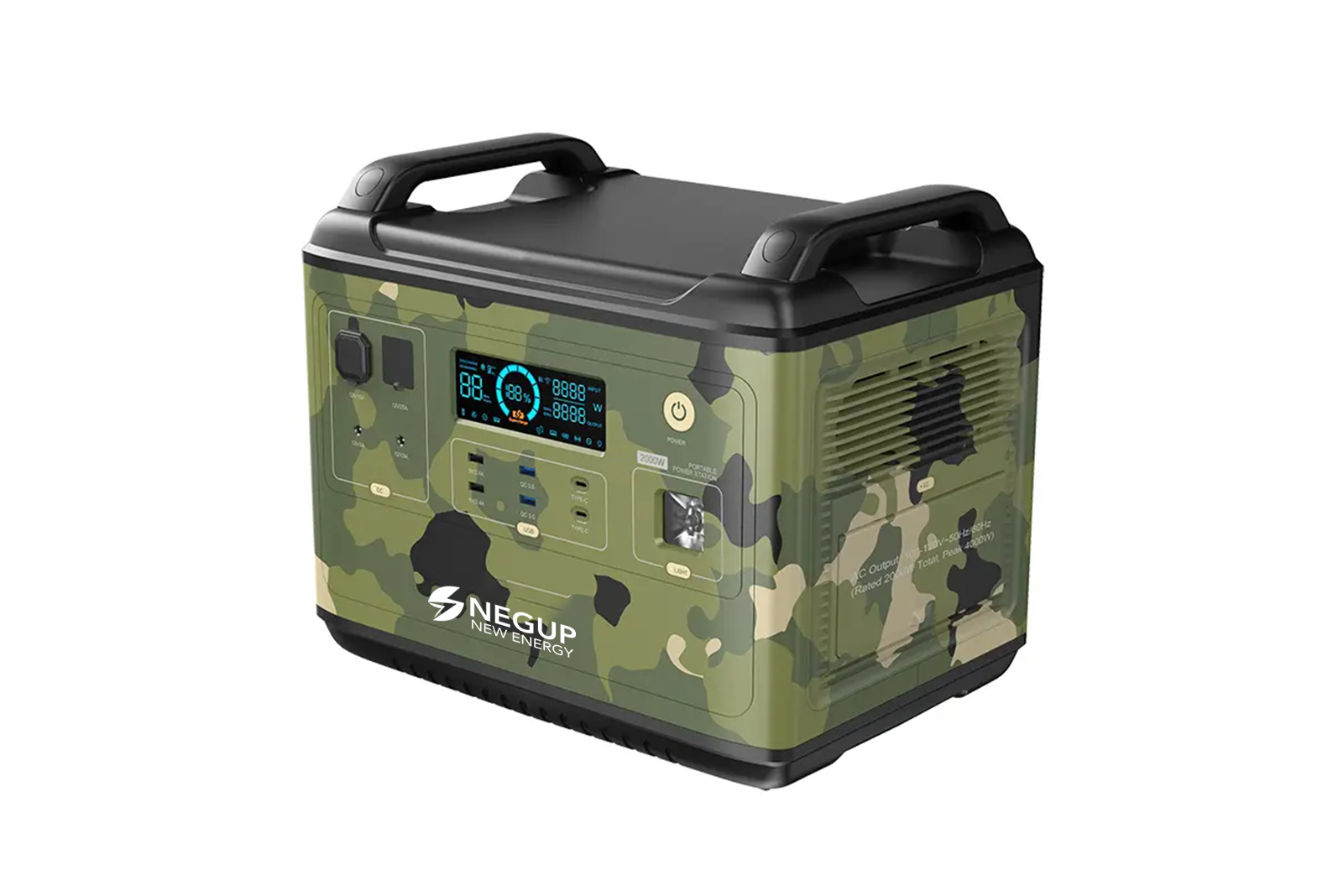
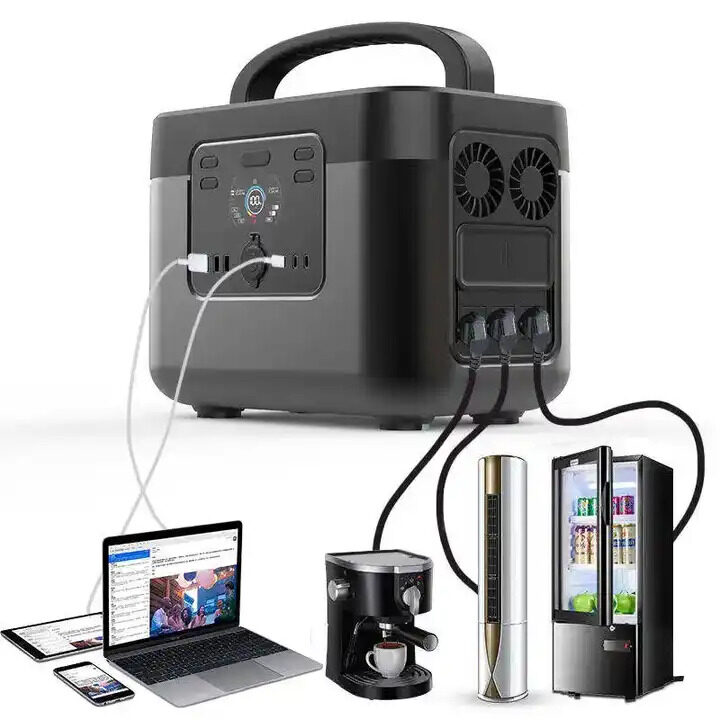
In simple terms, a Portable Power Station is like a giant power bank, but way more powerful. It’s equipped with a high-capacity battery that can be charged via solar panels, a car charger, or a wall outlet. Once charged, it provides stable power output for your devices—think phones, laptops, drones, and even small appliances like mini-fridges or electric cookers.
I’ll be honest, I didn’t realize how useful these things were until I went camping last summer. My phone died, and I couldn’t even snap a photo of the gorgeous sunset. That’s when I decided to invest in a portable power station, and it’s been a game-changer ever since.
Why Do More People Need Portable Power Stations?
The demand for Portable Power Stations is growing fast, and it’s not hard to see why. Here are some common scenarios where they come in handy:
1. Outdoor Adventures
If you love camping, hiking, or fishing, you know how frustrating it is to run out of battery in the middle of nowhere. A portable power station lets you keep your devices charged, so you can capture those Instagram-worthy moments or stay connected in case of emergencies.
2. Emergency Backup Power
Power outages can happen anytime—whether it’s due to a storm or grid failure. Having a portable power station at home ensures you’re not left in the dark. You can keep your lights on, charge your phone, or even power essential medical devices.
3. RV and Road Trips
For those who love hitting the road in an RV, a portable power station is a must-have. It powers your appliances, lights, and gadgets, making your journey more comfortable and convenient.
4. Off-Grid Living
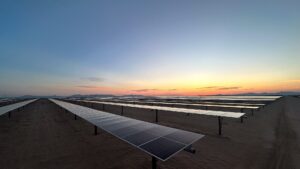
If you’re living off the grid or just want to reduce your reliance on traditional power sources, a solar-powered portable station can be a sustainable solution. Pair it with solar panels, and you’ve got a clean, renewable energy source.
How to Choose the Right Portable Power Station?
With so many options on the market, picking the right one can feel overwhelming. Here’s a breakdown of what to consider:
1. Capacity (Wh)
Capacity determines how much power the station can store. If you’re just charging phones and small devices, a 200-300Wh model might suffice. But for bigger needs—like running a mini-fridge or powering a CPAP machine—you’ll want something in the 500-1000Wh range.
2. Battery Type
Most portable power stations use lithium-ion or LiFePO4 batteries. Lithium-ion is lighter and more common, while LiFePO4 offers a longer lifespan and better safety. If you’re planning to use it frequently, LiFePO4 might be worth the investment.
3. Charging Options
Look for a model that supports multiple charging methods—solar, AC, and car charging. Solar-powered portable stations are especially great for outdoor enthusiasts or eco-conscious users.
4. Output Ports
Check the number and type of ports. USB-A, USB-C, AC outlets, and DC ports are common. Make sure it has enough ports to charge all your devices simultaneously.
5. Weight and Portability
If you’re gonna carry it around, weight matters. Smaller models are easier to transport, but they usually have less capacity. Find a balance that works for your needs.
Top Portable Power Station Brands
There are plenty of brands out there, but here are a few that stand out:
- Jackery – Known for their reliability and user-friendly designs, Jackery is a popular choice for beginners.
- EcoFlow – Offers fast-charging capabilities and high-capacity models, perfect for heavy users.
- Goal Zero – A pioneer in portable power, their products are durable and versatile.
- Negup Energy – If you’re looking for a budget-friendly option without compromising on quality, Negup Energy is worth considering. I recently tried their 500Wh model, and I was impressed by its compact design and efficient solar charging.
Tips for Maintaining Your Portable Power Station
To get the most out of your portable power station, follow these tips:
- Avoid Overcharging – Most modern models have built-in protection, but it’s still a good idea to unplug once fully charged.
- Store It Properly – Keep it in a cool, dry place, and avoid exposing it to extreme temperatures.
- Use It Regularly – If you don’t use it for a long time, the battery might degrade. Try to charge and discharge it every few months.
- Pair It with Solar Panels – If you’re using a solar-powered portable station, make sure the panels are compatible and positioned correctly for maximum efficiency.
Final Thoughts
A Portable Power Station is one of those gadgets you don’t realize you need until you have it. Whether you’re planning your next camping trip, preparing for emergencies, or just want a reliable backup power source, there’s a model out there for you. And if you’re looking for a solid option that won’t break the bank, I’d recommend checking out Negup Energy—it’s been a reliable companion on my recent adventures.
Got questions about portable power stations? Or maybe you’ve got a favorite brand or model? Drop a comment below—I’d love to hear your thoughts!
| Load type | Typical running load | Hours per day | Energy needed (Wh) |
|---|---|---|---|
| Phone + router + lights | 10 – 60 W | 8 | 80 – 480 |
| Laptop + LED lighting | 50 – 150 W | 6 | 300 – 900 |
| Small appliances (blender, fan) | 300 – 800 W | 2 | 600 – 1,600 |
| Kettle / hairdryer (resistive) | 1,500 – 2,000 W | 0.5 | 750 – 1,000 |
| Fridge / freezer (compressor) | 100 – 400 W | 4 | 400 – 1,600 |
Add 10% for inverter losses and check the surge rating for anything with a motor. These are planning ranges, not quotations — send us your appliance list for an exact size.
Portable Power Stations: Questions Buyers Ask Before Ordering
1. What capacity do I actually need? Work it out from load, not from marketing.
Add up the running wattage of what you will use and multiply by the hours you need it away from a wall. A phone and a small router is a different order of magnitude from a kettle or a hairdryer. Then apply a derating factor for inverter losses, typically around 10%, and check the surge rating for anything with a motor. Send us your appliance list and we will size it properly rather than upsell.
\n
2. LiFePO4 or NMC for a portable power station?
LiFePO4 for almost every use case. Cycle life and thermal stability are both substantially better, and for a product that may sit in a hot vehicle or run in a garage that matters more than the energy density advantage of NMC. NMC is worth considering only when footprint and weight dominate, such as a specific airline or marine weight budget. Share your constraint and we will tell you which way to go.
\n
3. How many cycles will it last, and what does that mean for cost per kWh?
LiFePO4 typically delivers several times the cycle count of NMC at the same depth of discharge, and usable capacity of 80-100% is normal for the chemistry, giving more usable energy per rated kWh. Over the life of the product that is what determines cost per delivered kWh, not the sticker price. Ask any supplier for the cycle figure at your depth of discharge, not at a headline rating.
\n
4. What inverter output do I need, and why does surge rating matter?
Inverter output should cover your running load with headroom, and the surge rating must cover startup inrush from motors and compressors. A unit that starts a fridge fine but trips on a compressor is a common and frustrating failure. We size both, and we can tell you the continuous versus peak split for the specific model we quote so there is no ambiguity on delivery.
Still weighing options? Send your project detail on WhatsApp
and we will reply with a written answer,
or email rain@negupgroup.com.