



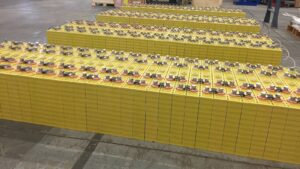
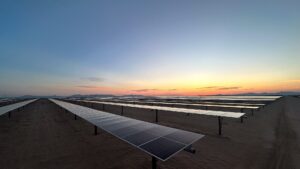

Managing energy costs is a major concern for many companies. With electricity prices on the rise and issues like energy wastage and peak demand charges, operational budgets are feeling the pressure are proving to be effective solutions for these challenges. This blog post will explain how ESS works, the benefits it offers to businesses, and how companies can use this technology to save money and improve sustainability.
Need a storage supplier who answers with numbers?
We ship LiFePO4 storage batteries and BESS for utility-scale, C&I and residential
projects worldwide — with cell-level specs, cycle-life data and landed-cost
transparency on C&I Energy Cost Reduction. Send us your capacity, duration and delivery window,
and we will reply with a real quotation, not a brochure.
The Energy Cost Challenge for Businesses
Before diving into the solutions, let’s understand the problem. Energy costs are soaring, driven by increased demand, volatile fuel prices, and the need for grid upgrades. For businesses, this translates into higher electricity bills, especially during peak hours when rates can spike significantly. Additionally, many companies face challenges related to energy wastage and inefficient energy management, further exacerbating costs. This is where Energy Storage Systems (ESS) come into play, offering a smart and effective way to address these challenges.
What is an Energy Storage System (ESS)?
An Energy Storage System (ESS) is essentially an “energy bank” that stores electrical energy during periods of low demand or low cost and releases it when needed. These systems are designed to work seamlessly with both traditional grid power and renewable energy sources like solar and wind. The core components of an ESS typically include:
- Batteries: These store electrical energy as chemical energy. Common types include lithium-ion batteries and LiFePO4 batteries.
- Inverters: These devices convert the stored DC (direct current) energy into AC (alternating current) for use in commercial applications.
- Battery Management System (BMS): This crucial component monitors and manages the battery’s health, ensuring safe and efficient operation.

How Does ESS Work?
The operation of an ESS can be broken down into three main phases:
- Charging: The system draws electricity from the grid or renewable sources during off-peak hours when prices are low.
- Storage: The electrical energy is stored in batteries, ready for use when needed.
- Discharge: During peak hours or power outages, the stored energy is released to meet demand, reducing reliance on the grid.
How ESS Helps Businesses Cut Energy Costs
Peak Shaving and Valley Filling
One of the most effective ways ESS reduces energy costs is through peak shaving and valley filling. Peak shaving involves using stored energy during high-demand periods to avoid expensive peak rates. Conversely, valley filling involves charging the ESS during off-peak hours and using that energy during peak times. By optimizing energy usage in this way, businesses can significantly lower their electricity bills.
Enhancing Energy Efficiency
ESS also improves overall energy efficiency. By storing excess energy generated by renewable sources or during low-demand periods, businesses can ensure that energy is used more effectively. This not only reduces costs but also enhances operational resilience.
Supporting Renewable Energy Integration
With the increasing adoption of renewable energy, ESS plays a crucial role in smoothing out the intermittent nature of sources like solar and wind. By storing excess renewable energy, businesses can rely more on clean energy, reducing their carbon footprint and meeting sustainability goals.
Types of ESS and Their Advantages
Lithium-Ion Batteries
Lithium-ion batteries are the most common type of ESS due to their high energy density and efficiency. They offer long lifespans and are suitable for a wide range of applications. However, they can be expensive upfront.
LiFePO4 Batteries
LiFePO4 batteries are gaining popularity for their safety, long cycle life, and thermal stability. They are particularly useful in applications requiring frequent charge-discharge cycles, such as in manufacturing plants.
Flywheel Energy Storage
Flywheel systems store energy in the form of kinetic energy and are known for their rapid response times and high power density. They are ideal for applications requiring quick bursts of energy, such as in data centers.
Choosing the Right ESS for Your Business
Selecting the right ESS involves several considerations:
- Capacity: Determine the energy storage capacity needed based on your peak demand and usage patterns.
- Efficiency: Higher efficiency means more energy is available for use, reducing costs.
- Lifespan: Longer-lasting systems offer better value over time.
- Cost: Evaluate the initial investment and potential return on investment (ROI) to ensure the system is financially viable.
Real-World Success Stories
Manufacturing Plants
A manufacturing plant implemented an ESS to reduce its peak load by 30%, saving thousands of dollars annually on demand charges. By integrating the system with solar panels, the plant also reduced its reliance on the grid, enhancing energy security.
Commercial Buildings
A logistics center used an ESS to store energy overnight and discharge it during business hours, achieving a 20% reduction in annual electricity costs. This not only lowered expenses but also improved the building’s energy efficiency.
Data Centers
Data centers, which require a reliable power supply, have benefited significantly from ESS. By using flywheel energy storage, one data center was able to provide instant backup power during outages, ensuring continuous operation.
The Future of ESS in Smart Energy Management
As technology continues to advance, ESS will play an increasingly important role in smart energy management. Future developments may include:
- AI-Driven Energy Management Systems: These will optimize ESS operations in real-time, maximizing cost savings.
- Scalable and Modular Solutions: Businesses will be able to easily expand their ESS capacity as their needs grow.
- Integration with Microgrids: ESS will support the development of microgrids, enabling businesses to operate independently from the main grid.
Conclusion
Energy Storage Systems (ESS) can help businesses cut energy costs, support sustainability efforts, and boost operational reliability. By using methods like peak shaving, valley filling, and integrating renewable energy, companies can save money and reduce their environmental impact. As ESS technology advances, it will play a crucial role in efficient energy management. If you’re thinking about adding an ESS to your business, consider working with a reliable supplier like NEGUP New Energy to make the most of this technology.
| Application | Reported result | Primary value driver |
|---|---|---|
| Manufacturing plant | ~30% peak load reduction | Demand-charge avoidance |
| Logistics centre | ~20% annual electricity cost reduction | Off-peak charging, daytime discharge |
| Site with solar | Peak shaving layered on generation | Curtailment capture + demand reduction |
These are case-study results, not planning assumptions. Your outcome depends on tariff structure and 15-minute interval load data — send us 12 months of bills and we will model your range honestly.
C&I Energy Cost Reduction: Questions Buyers Ask Before Ordering
1. A case study claims a 30% peak-load cut. Is that realistic for our plant?
It is realistic if your current peak is driven by a controllable window, and useless if your peak is set by a process that cannot be shifted. The first question is not about batteries — it is what your 15-minute interval demand data actually shows. Send us twelve months of interval data and we will tell you honestly how much of your peak is addressable before quoting anything.
\n
2. Is a 20% reduction in annual electricity cost a fair planning assumption?
Treat it as an upper bound for a well-matched site, not a planning assumption. A logistics centre using ESS to store overnight energy and discharge during business hours achieved 20%, but that result depends on tariff structure, load shape and available capacity. For most sites the realistic range is narrower and driven by demand charges. Model it on your own tariff and load profile and we will be specific about the range.
\n
3. Should we pair ESS with solar, or run storage on its own?
It depends on your load profile, not on fashion. Solar plus storage captures generation you would otherwise curtail and adds a demand-charge reduction layer. Storage alone is often the better first step for a site with a high daytime peak and no available roof or land. Tell us your roof situation and your peak timing, and we will recommend the simpler option if that is what performs.
\n
4. What payback period is realistic for a C&I system?
It varies by an order of magnitude with tariffs, and any supplier quoting a single number without seeing your interval data is guessing. Demand-charge-dominated sites in high-tariff jurisdictions can see short paybacks; sites with flat tariffs and low demand charges will not. Send us your 12 months of bills and interval data and we will model the range honestly, including the case where the answer is that the project does not clear your hurdle rate.
Still weighing options? Send your project detail on WhatsApp
and we will reply with a written answer,
or email rain@negupgroup.com.